Wear
Wear Sense smart glasses during your normal meals for one week.
Wear smart glasses for one week to uncover hidden eating habits and discover the changes that could have the biggest impact.
Thank you for joining the waitlist.
From a team and partners from
The way you eat shapes your health more than most people realise. Sense uncovers habits that are easy to miss but can have a big impact.
After one week, your personalised report helps answer:
How it works
Wear the glasses during your normal daily life. Sense does the tracking and shows you where to start.
Wear Sense smart glasses during your normal meals for one week.
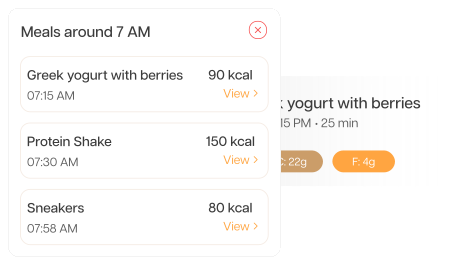
Sense automatically builds a picture of your eating behaviour, nutrition and symptoms.
Receive daily guidance and a personalised report showing which habits could make the biggest difference.
Sense gives you two complementary scores:
how you eat and what you eat.
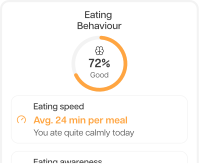
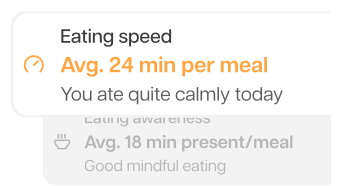
Measures the behaviours behind your meals.
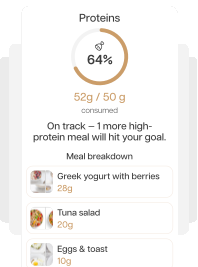
Measures the quality and balance of your meals.
Log symptoms like bloating, reflux or fatigue, and Sense helps uncover patterns linking them to your diet and eating behaviour.
Backed by peer-reviewed research
Your weekly report shows how you eat, what you eat, and which small changes could make the biggest difference.
Instead of generic advice, you see which habits are already supporting you and which areas are worth improving.
Whilst logging meals is important, most are unaware of the science of eating behaviour.
Fast eating
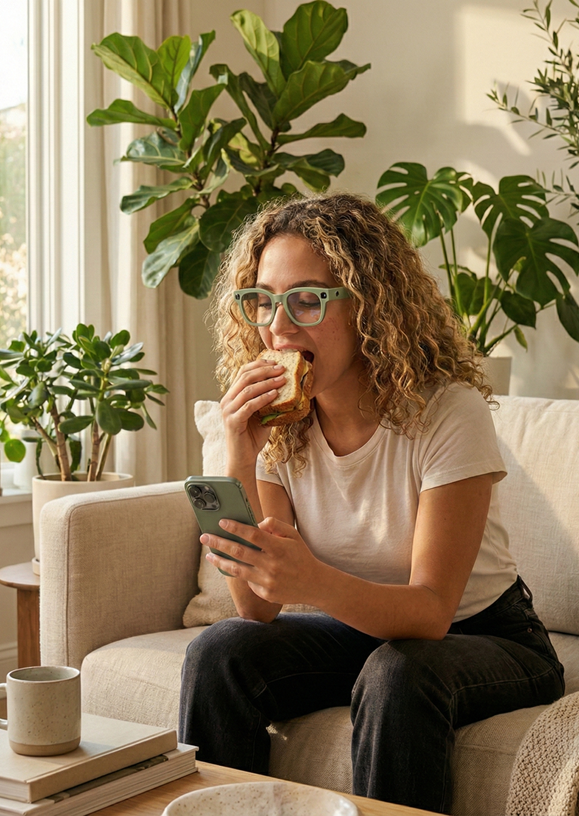
Fast eating is linked to increased calorie intake, with large studies showing that slower eating improves metabolic health.

Gut health
Irregular eating, fast eating, and highly processed foods are major drivers of gut symptoms such as bloating, reflux, and bowel irregularity.
Inflammatory eating
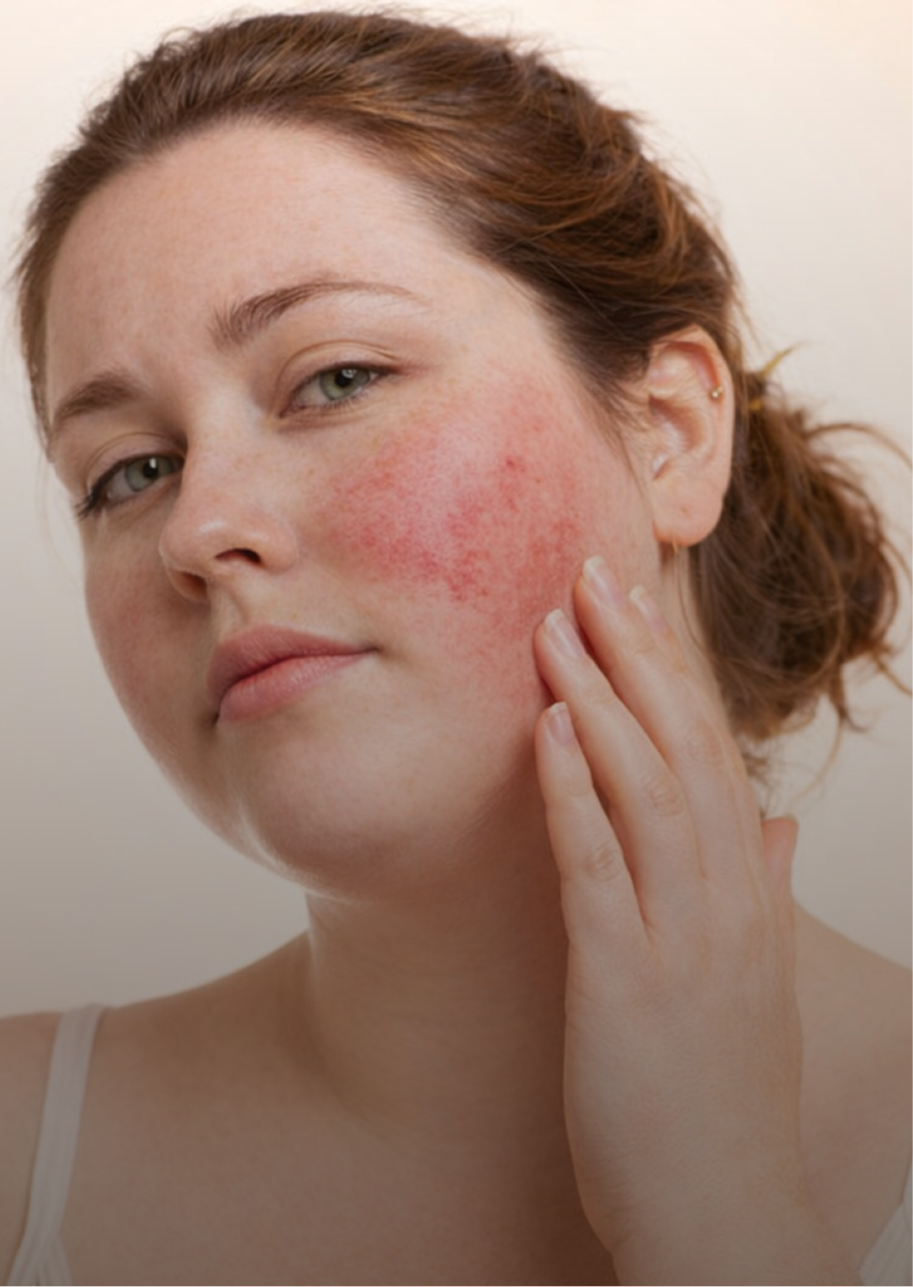
What and how you eat can fuel chronic, low-grade inflammation, linked to skin problems, heart disease, type 2 diabetes, cancer, and depression.
Sustainable habits
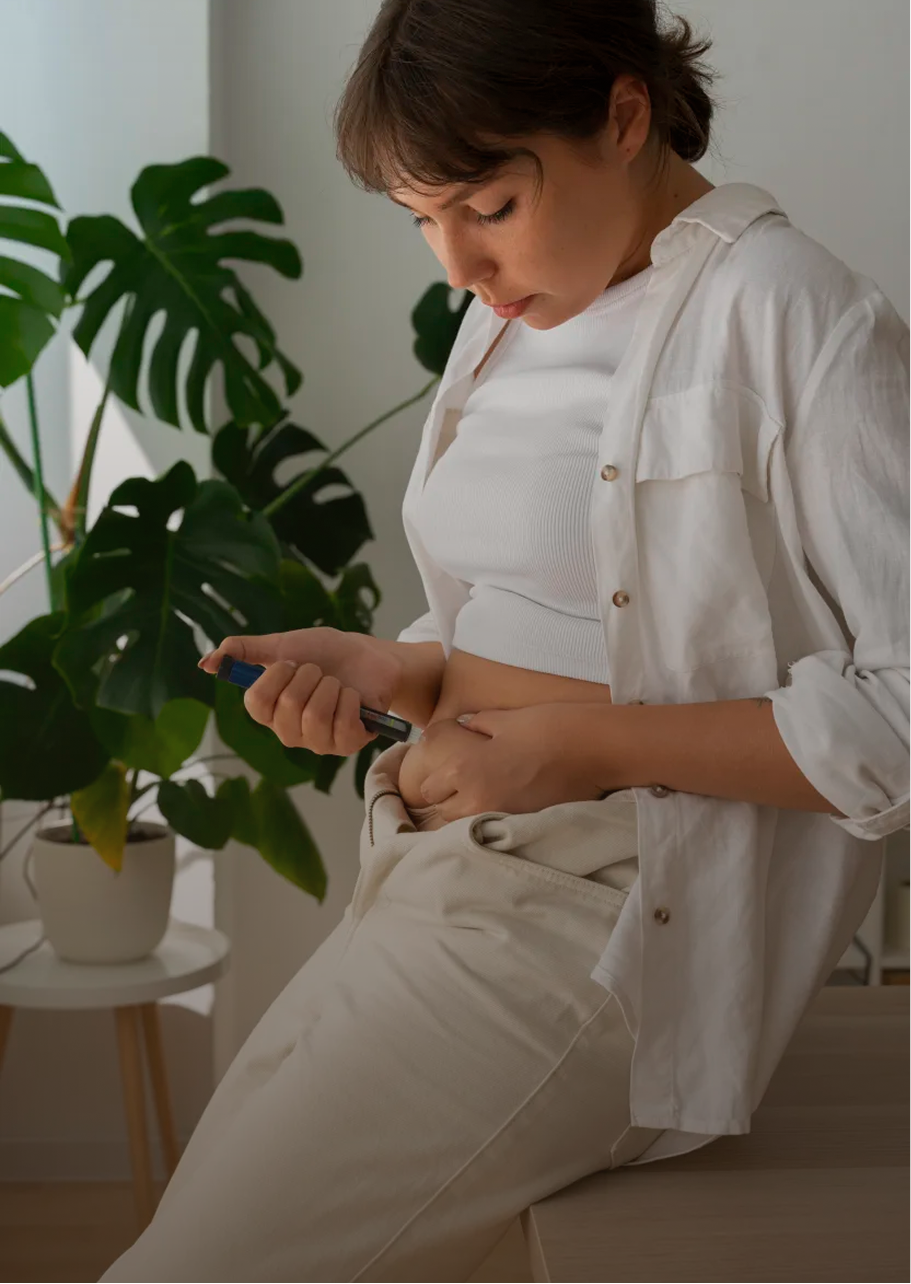
Weight loss drugs can support weight loss, but long-term success depends on improving daily habits.

Brain health
Midlife metabolic health and blood sugar control are strong predictors of later-life brain health.
Cancer risk
Diet quality, excess body weight, and chronic inflammation are all associated with higher cancer risk.
Dietitians and nutritional experts who tested Sense Baseline in their practice.
The glasses are like having a mindful eating personal assistant for every meal.
Many people eat so mindlessly that they don’t realise how quickly or often they eat. The Sense glasses give real-time feedback to build awareness and understanding of eating habits.
This technology can greatly improve the accuracy of meal logging, educate clients on building a healthy plate, and show how mindful eating supports health goals. It’s exciting.
These glasses can transform eating habits, from tracking how people chew to accurately capturing what they eat. The detailed analysis will be a real benefit in consultations.
Real, shareable data that helps clients truly understand their eating habits.
What participants shared after their 7-day Sense Baseline test.
I’ve loved using the devices — it’s been a wonderful kickstart. I’ve noticed I feel healthier and sleep better now due to more mindful eating and drinking, and more mindful food choices.
The app was easy to use and the glasses were so comfortable I would wear them all the time. What stood out most was that the recommendations actually changed my behaviour — I swapped sweet snacks for fruit and yogurt.
The glasses helped me track my meals, monitor nutrition, and calculate my insulin needs much more easily, making a big part of managing type 1 diabetes feel simpler.
A 10 out of 10 experience. It helped me pinpoint habits I hadn’t noticed, like how my eating patterns were affecting my sleep. I also realised I wasn’t drinking enough water.
Sense Baseline is ideal if you:
Testing your baseline microbiome is useful, but microbiome reports typically come from one stool sample. But gut bacteria change with food, timing, stress, sleep, travel, and medication. One sample cannot capture your usual pattern. Even with advanced testing, you still cannot see:
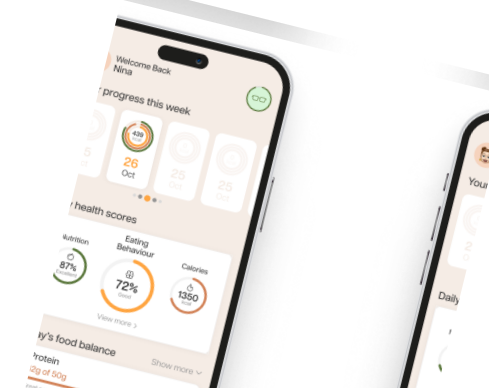
CGMs are helpful, but they measure one signal: glucose levels in fluid under the skin. They show what glucose did, not what caused it. Even with 24/7 data, you can still miss:
Unlike apps, blood tests, or microbiome kits, Sense Baseline captures how you actually eat — passively, in real life, without relying on memory.
| Feature | Sense Baseline Most insight | Apps | Blood tests | Microbiome tests |
|---|---|---|---|---|
| Objective behavioural measurement | ||||
| Real-world eating behaviour insights | ||||
| Passive data capture | ||||
| Baseline of daily habits over time | Self-reported | Snapshot only | Snapshot only | |
| Personalised behavioural insights | Limited | Indirect | Indirect | |
| Identifies patterns, not just outcomes | Limited | |||
| Tracks how you eat, not just what you log | ||||
| Low reliance on memory and manual input | ||||
| Measures behaviour in context | Limited | |||
| Useful for coaching and habit change | Limited | Limited | Limited | |
| Continuous daily-life insight | Limited |
What you tell clinicians is often incomplete, because real life is hard to recall. That limits truly evidence-based, personalised advice. Sense Baseline avoids tedious logging: wear the glasses, live normally, and get structured insights grounded in what you actually do, not what you remember.
Check your email for next steps.
Sense Baseline is a home-based assessment that uses Sense glasses and a mobile app to measure your behaviour in daily life. It turns your normal routine into clear, objective insights about habits (such as how, what, when and how fast you eat) linked with weight, gut comfort, energy, and long term health risk. It does not diagnose disease. It focuses on behaviour and lifestyle.
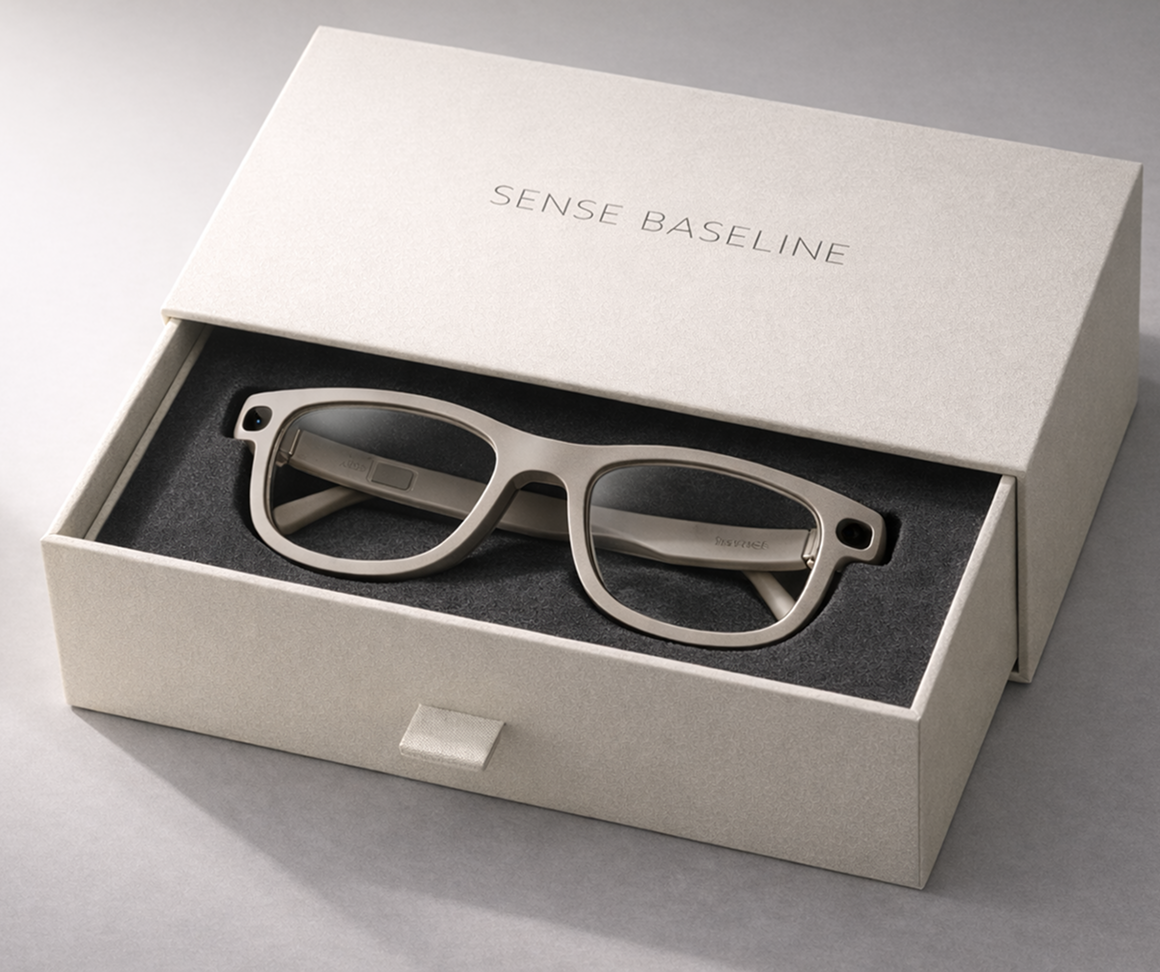
Sense glasses do not record video or audio. They are normal-looking glasses containing sensors in the frame that detect facial movement, head motion, and related signals. When an eating episode is detected, the front-facing camera briefly captures a small number of still images (not video). These images are processed to detect food, converted into text, and immediately discarded.
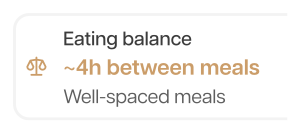
Sense can capture: Eating speed and meal duration, Chewing patterns and pauses, Meal timing (including subconscious eating), Snacking frequency, Distracted eating, and Sedentary periods related to meals.
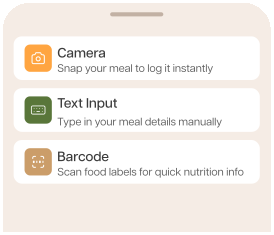
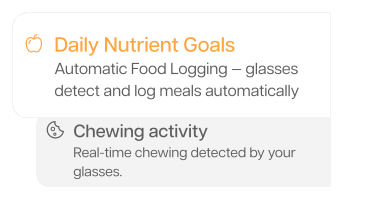
No. Sense is designed to reduce manual logging. You wear the glasses during the waking day and eating episodes are automatically logged. You can add detail like calorie content via the app only if it is important for your goal.
No. Sense Baseline is a wellness and behaviour insight tool. It does not diagnose conditions or replace medical advice. It helps you and your health professional see hidden patterns in your daily routine.
Sense Baseline can highlight fast eating, late eating, and grazing that may affect side effects like nausea. This gives you and your clinician concrete behaviours to target while you are still on treatment to reduce weight regain risk.
You receive a Sense Baseline Report showing timing of intake, eating speed, snack frequency, and indicators of mindful vs distracted eating, highlighting simple priorities for change based on your unique data.
Sense glasses are designed to feel like normal lightweight eyewear. They do not emit harmful radiation or electrical stimulation. Most people quickly adapt to wearing them within a day.
Your data are encrypted and stored securely. Only you and your chosen dietitian can see your report. Data may be anonymised for research, but will not include information that identifies you personally.
Some programmes are offered directly to individuals and some through clinicians. Using Sense with a professional generally leads to better interpretation and follow up.
It can complement or replace manual tracking. Many find that short, intensive periods with Sense provide more honest data than months of irregular manual logging.
Sense focuses on behaviour and timing, not calories. However, you should discuss this with your clinician as any tool drawing attention to eating can be sensitive for those with recent eating disorders.
Ideally, you wear them for most of the day, especially during meals and snacks. Short removals for showering, sport, or comfort are expected and handled by the system.
The glasses do not record video or audio. You stay in charge of what is measured and when via the app. No individual level data are shared with anyone without your explicit consent.